


Best Way to Select an ERP System in 2025
With hundreds, if not thousands, of different types of ERP systems on the market, it’s hard to know which system is right for your business. Different tiers, target markets, and feature sets can make the selection process overwhelming—and make it difficult to know where to start.
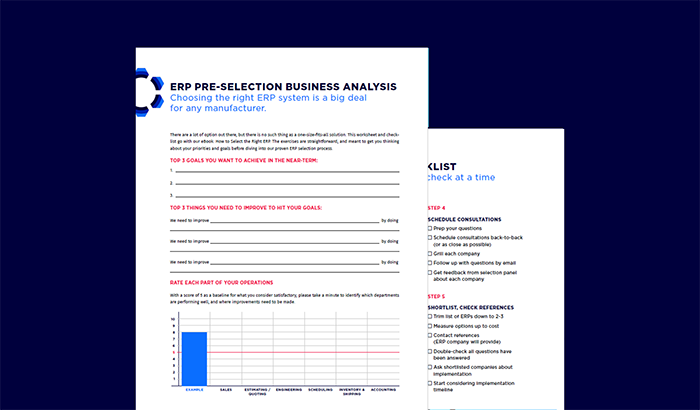
ERP Pre-Selection Checklist
Choosing an ERP is a major decision. This worksheet and checklist go with our ERP Selection eBook, The exercises are straightforward, and meant to get you thinking about your priorities and goals before diving into our proven ERP selection process.

ERP Pre-Selection Checklist
Choosing an ERP is a major decision. This worksheet and checklist go with our ERP Selection eBook, The exercises are straightforward, and meant to get you thinking about your priorities and goals before diving into our proven ERP selection process.

How to Select the Right ERP
Choosing an ERP is a major decision. As many as 80 percent of companies fail to fully implement an ERP after purchase. Get our insider tips for picking the right ERP system for you, including how to identify your exact software needs.

How to Better Manage your Expenses and Income
Learn how to use Genius ERP to improve how you manage your income and expenses. Genius ERP doesn’t just help you solve your day-to-day operational challenges; we take it a step further and provide you with the key tools you need to optimize your cash flow and leverage your financials to make better and more accurate business decisions.

Back to Basics: ERP for Sales
Your sales team will benefit from the integration, organization, and tools an ERP provides — but most importantly, it will help your salespeople close more deals.
Back to Basics: ERP for Purchasers
An ERP makes purchasing easier for manufacturers by automating everyday purchasing tasks and providing accurate real-time data to ensure that you always have the right amount of stock on hand.

Back to Basics: ERP for CEOs
An ERP helps CEOs and senior executives make better strategic business decisions by supplying them with comprehensive, timely, and reliable internal data.
Back to Basics: ERP for Engineers
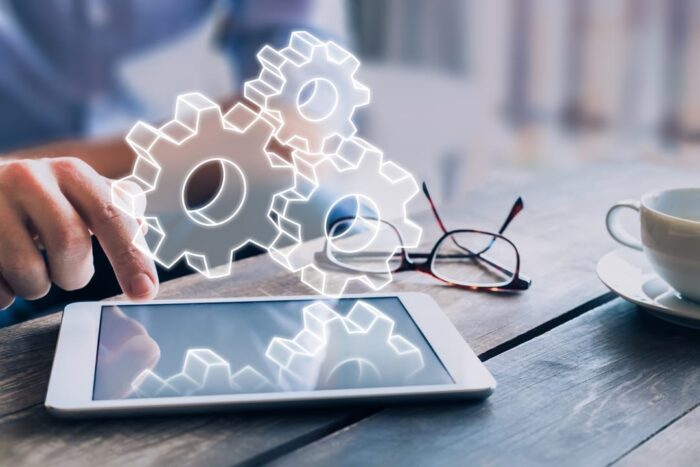
Engineers need an ERP system that has their unique needs in mind, including creating and managing Bills of Materials (BOMs), routing steps, and work instructions. Engineers also need an ERP that allows for the seamless integration of a CAD system with the ERP.

Back to Basics: ERP for Accountants
Accountants will benefit from an ERP by using integrated data to streamline all of their accounting processes.
Back To Basics: Benefits of an ERP System
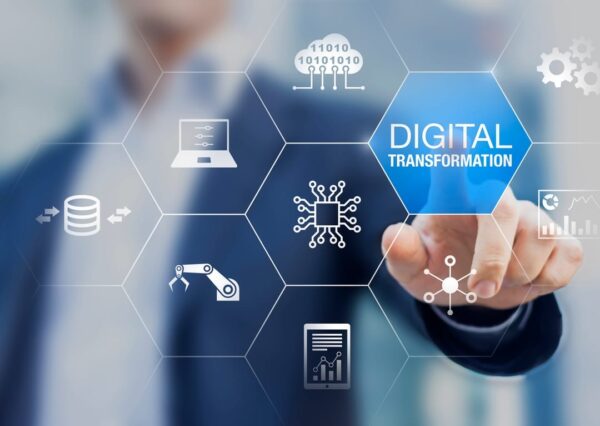
ERPs are indispensable to manufacturing companies. They are the industry gold standard for a reason — nothing streamlines business processes, provides accurate real-time data, and reduces costs better than an ERP system.on.

What do the Best Manufacturing Companies have in Common?
We all want to be the best at what we do, right? But as a manufacturer, what do you actually need to do to become the best?

Back To Basics: Elements of an ERP System
You already know that ERPs enhance visibility, improve your business practices, and increase your shop’s efficiency. But how do ERPs actually do all of these things?

Seriously, Excel Is Not an ERP
Many manufacturing companies rely on Excel for all sorts of tasks, from scheduling to inventory management to data analysis, because it is readily available, easy to use, and is seen as a cost-effective solution for organizing and planning business operations.
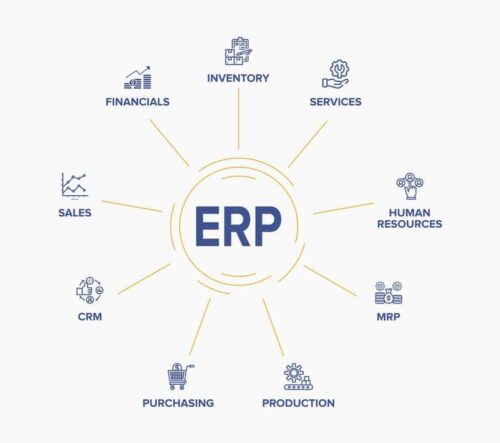
Back To Basics: What Is an ERP?
An ERP is business process management software that connects and integrates every aspect of a business — giving manufacturers visibility over their entire operation and allowing them to create better manufacturing processes, lower costs, and improve performance.

Is your Inventory Growing out of Control?
In this webinar, you will learn how we can help everyone in your shop — from purchasers to production managers to shop floor employees — increase the accuracy of your inventory counts and improve efficiency, plus how to buy the right stock at the right time.

15 Common ERP Mistakes
Here are the 15 most common mistakes manufacturers make when they are selecting, implementing, or working with an ERP.

How to Successfully Implement an ERP
Getting an ERP system will revolutionize your company — but the hard truth is that most implementation projects fail. Dicover the pitfalls to avoid to ensure a successful ERP implementation project.

Why Excel and Quickbooks are not an ERP
While Excel is a handy business tool (and has its time and place), the truth is that it is just not good enough for most manufacturers. You and your shop deserve better. You deserve a fully integrated ERP system that will make your business run smoother—and save you time and money.

How do Bottlenecks Impact your Planning?
Bottlenecks aren’t good, but they are inevitable. Watch this webinar to learn how to re-think bottlenecks to stay in control of your shop floor’s flow, increase throughput, and get more jobs out the door on time.

Should you Create a CRM Database in Excel
Though you can easily use Excel to create a database of your customers, Excel lacks several key benefits of more dedicated CRM software. A proper CRM system that is integrated and automated will allow you to better manage your leads and opportunities.

Get your eBook Scared to implement a new ERP?
"*" indicates required fields

A manufacturing ERP that works as hard
as you do.
Give us a call to see how we’re different.


